Leading with emotional agility means guiding teams through change with clarity, empathy, and purposeful action. As work becomes more distributed and expectations shift, the leaders who succeed are those who blend strategic thinking with human-centered habits.
Below are practical approaches to strengthen leadership effectiveness and foster resilient teams.
Why emotional agility matters
Emotional agility helps leaders respond to uncertainty without overreacting or shutting down. It fosters trust, keeps people engaged, and improves decision quality. Teams led with emotional intelligence adapt faster, innovate more, and sustain performance over the long run.
Habits to build emotional agility
– Pause before reacting
Take a brief mental pause when stress rises. Even a few deep breaths or a one-minute reflection can prevent reactive decisions and create space for a clearer response.
– Practice active listening
Give people your full attention, ask clarifying questions, and reflect back what you heard. This reduces misunderstandings and signals respect, which strengthens psychological safety.
– Name emotions aloud
Naming feelings—yours and others’—reduces their intensity and opens up productive conversations. Simple phrases like “I’m feeling frustrated about this timeline” invite collaboration rather than blame.
– Prioritize clear, concise communication
Distill messages to purpose, outcome, and next steps. In hybrid or remote teams, clarity prevents churn and aligns dispersed contributors quickly.
– Delegate authority, not just tasks
Empower team members with decision-making space and clear guardrails. Delegation builds capability and frees leaders to focus on high-impact strategy.
– Normalize learning from failure
Treat setbacks as experiments with useful data. Run quick retrospectives that focus on what worked, what didn’t, and the next small adjustment.
– Schedule reflection and feedback cycles
Regular, short feedback loops keep work aligned and surface issues early.
Pair structured updates with informal check-ins to maintain flow and morale.
– Support wellbeing intentionally
Create norms around breaks, boundary-setting, and workload balance. Small policies—like meeting-free afternoons or rotating ownership of urgent tasks—protect team energy.
Decision-making and prioritization
Use a simple framework: define the problem, identify constraints, evaluate options against impact and risk, and commit within a timebox.
Timeboxing prevents analysis paralysis and encourages iterative progress.
When stakes are high, include diverse perspectives early to avoid blind spots.
Creating an inclusive environment
Psychological safety and inclusion are core to high-performing teams.
Set expectations for respectful debate, call out exclusionary behavior quickly, and intentionally rotate visibility and responsibility to underrepresented voices. Inclusion isn’t a one-off initiative; it’s a daily practice of designing meetings, projects, and recognition to lift everyone.
Measure what matters
Track outcomes, not busyness. Focus on a few meaningful metrics that reflect customer value, quality, and team health. Combine quantitative indicators with qualitative check-ins to get a fuller picture.
Leading by example
Model the behaviors you want to see—vulnerability when appropriate, accountability for mistakes, curiosity in learning, and a steady focus on purpose. Leaders’ actions set norms faster than any memo.
Start small, iterate often
Adopting emotional agility is a journey. Pick one habit, practice it consistently for a few weeks, collect feedback, and refine.
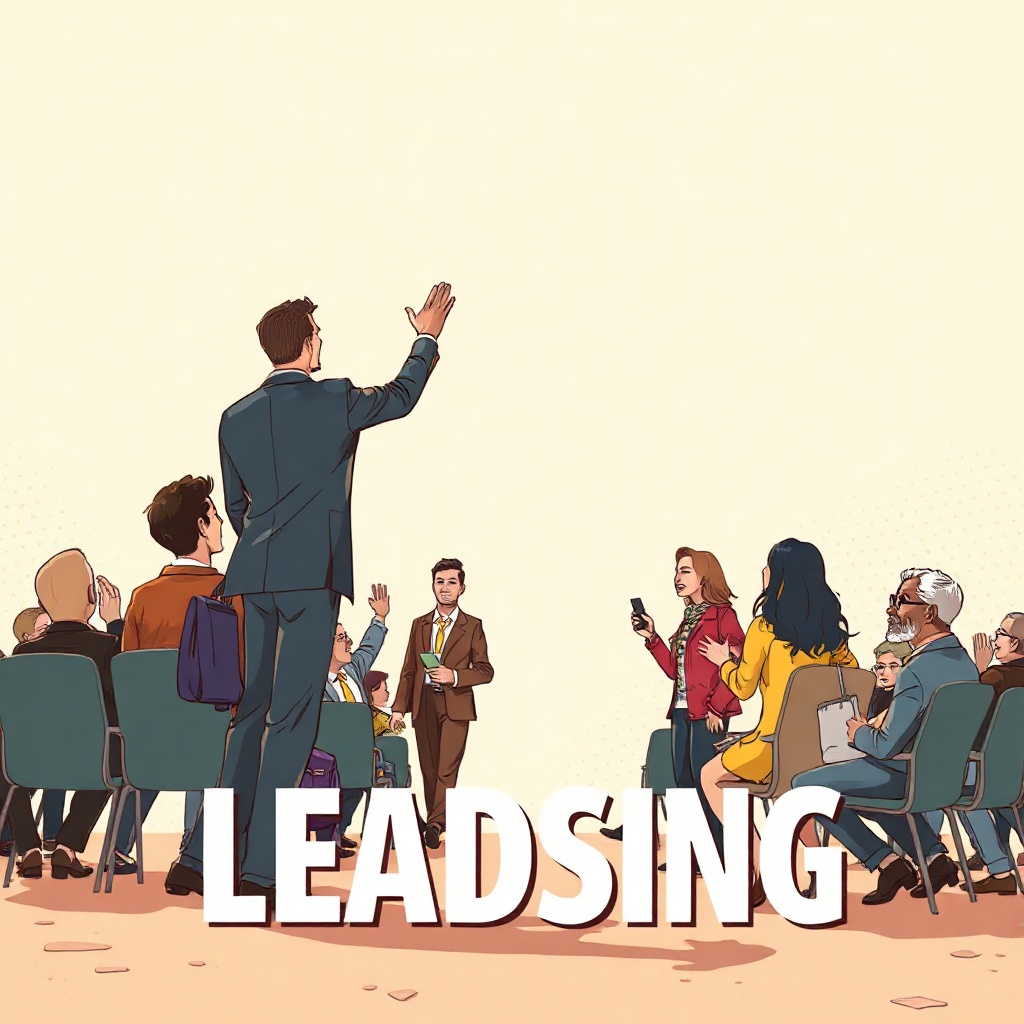
Small, sustained changes compound into a leadership style that navigates complexity, uplifts teams, and delivers lasting results.